
 Babbi Club

Newborn Essentials Checklist: What You Really Need
Preparing for a newborn feels easier when the shopping list is built around daily routines rather than endless products. Feeding, sleep, diapering, clothing, bathing, travel, and health care cover most needs. A practical checklist also leaves room for choices, feeding plans, climate, laundry frequency, and home setup. Start with items needed from day one, buy quantities where preferences may change, and add extras after learning what works for your family.
Newborn Essentials List for the First Weeks
A Newborn essentials list should separate immediate needs from products that can wait. Babies grow quickly, preferences change, and some accessories may never fit the family routine. Baby essentials should first cover sleep, feeding, diaper changes, clothing, transport, and basic care.
Start with:
- 6 to 8 bodysuits or one-piece outfits
- 4 to 6 sleepers or jumpsuits
- 2 to 3 light layers
- diapers in modest quantities
- wipes or cotton pads and diaper cream
- 6 to 10 burp cloths
- 2 to 3 fitted sheets
- feeding supplies matched to the feeding plan
- digital thermometer and baby nail tool
- properly installed infant car seat
- diaper bag with spare clothing
A Baby essentials list does not need every nursery accessory before birth.
Clothing Essentials for the First Weeks
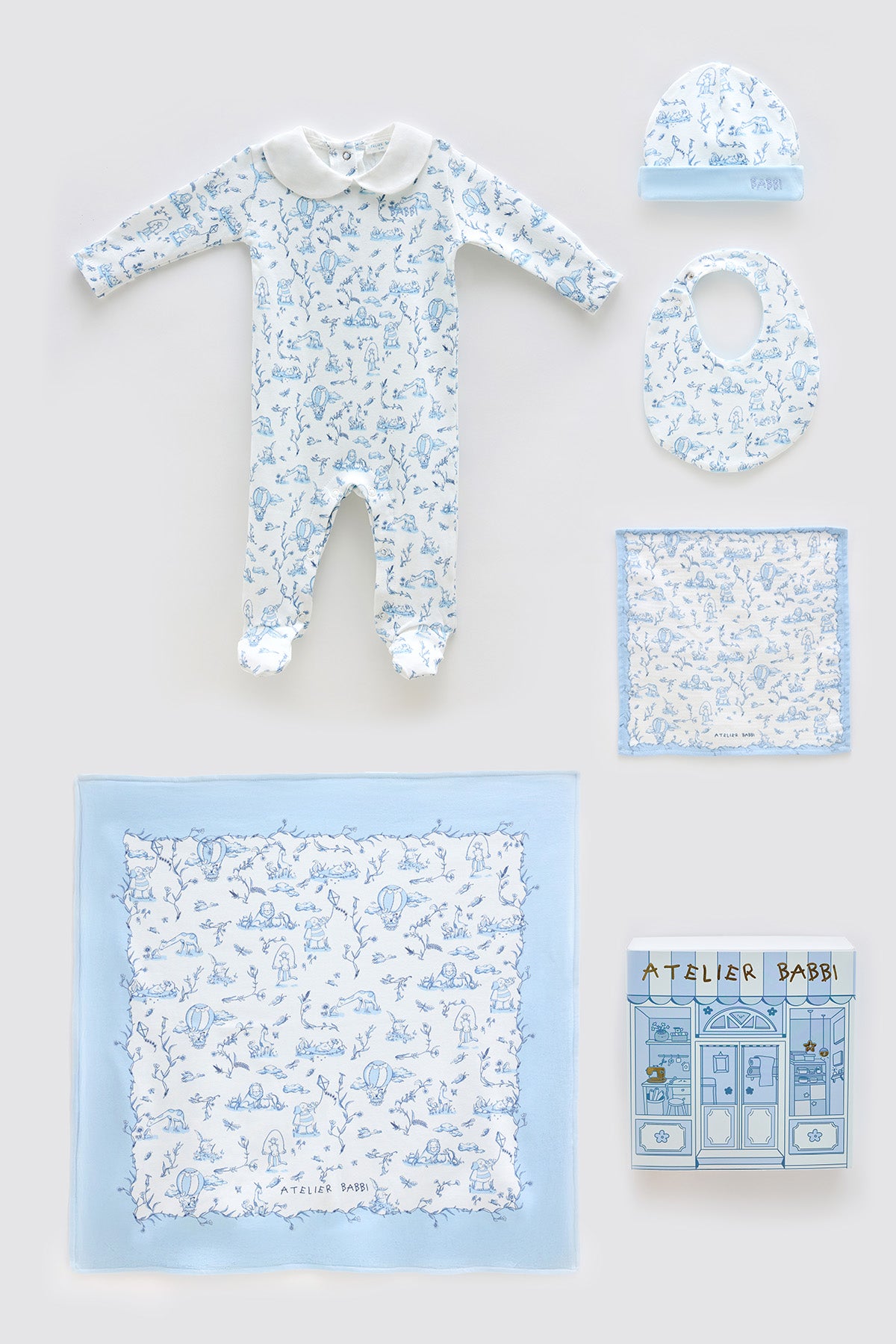
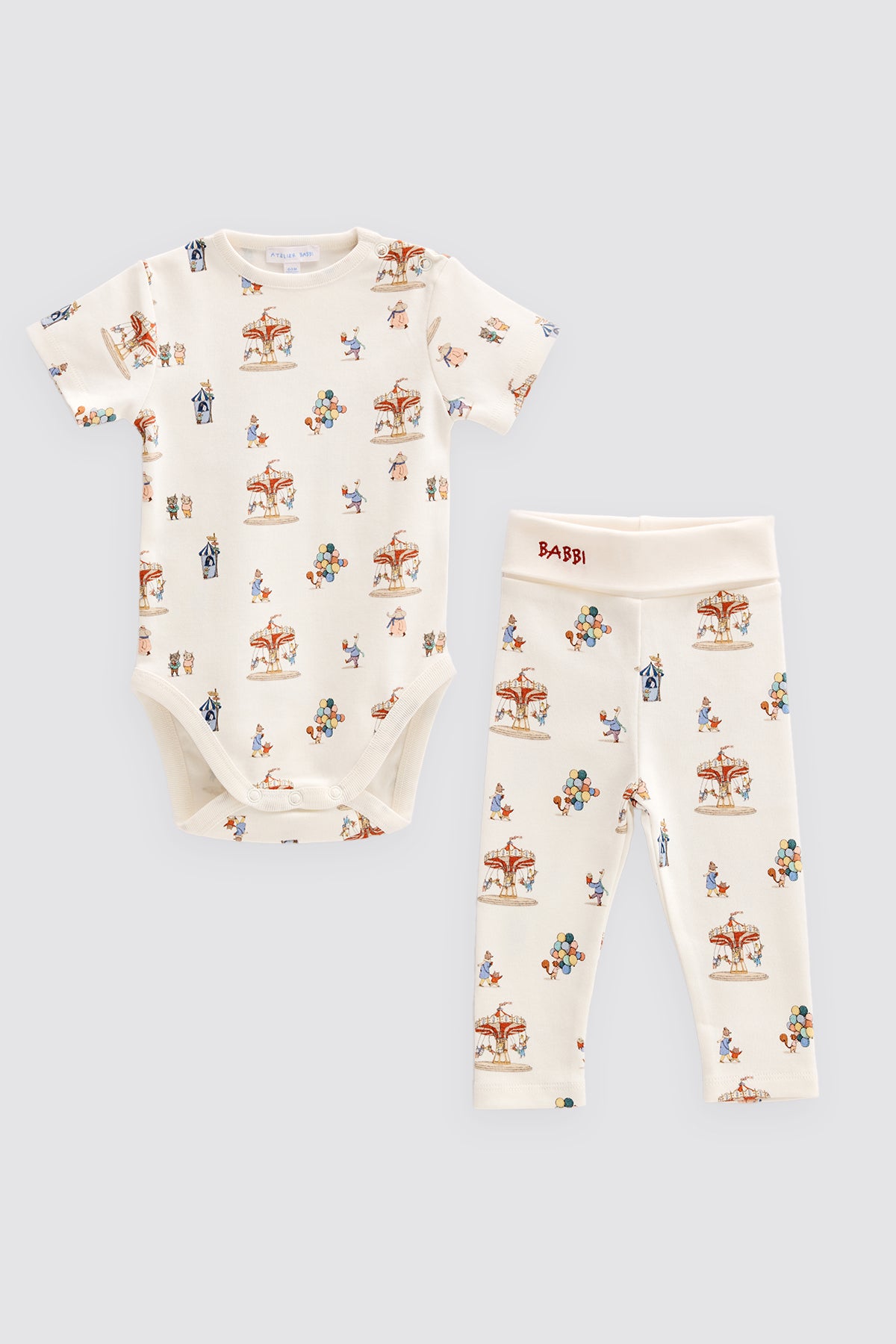
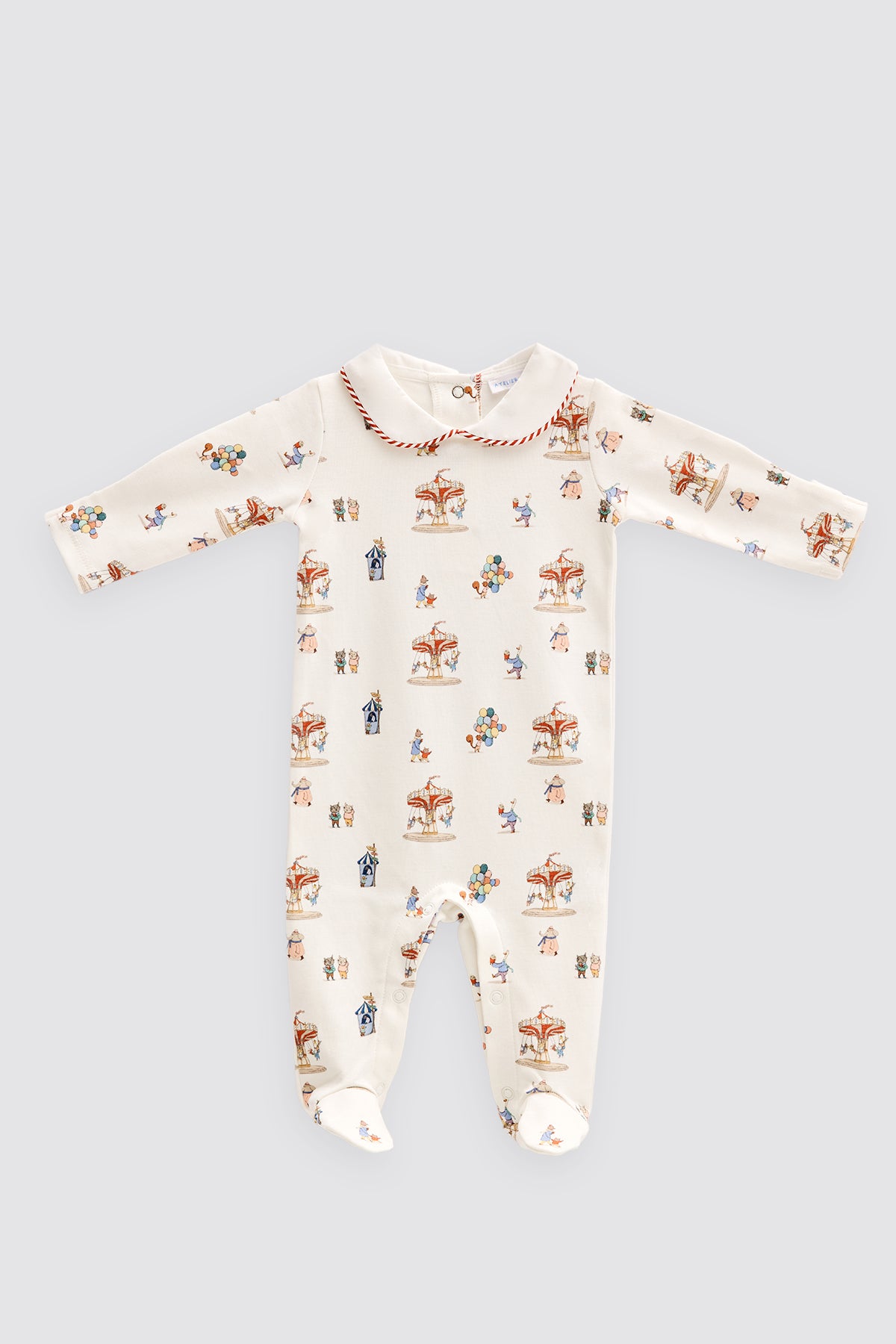
Newborn baby essentials for dressing should focus on easy changes and regular washing. Bodysuits, jumpsuits, sleepers, socks, and one or two layers usually cover everyday needs. Avoid overbuying the smallest size because babies may move into 0–3 month clothing quickly. Choose soft fabrics and check fastenings around the neck, crotch, and legs. Atelier Babbi newborn sets combine a 0–3 month jumpsuit, newborn hat, bib, and 70x70 cm muslin swaddle in 100% cotton interlock with GOTS-certified dyes. Another set of Newborn baby essentials can be added after birth once fit and season are clearer.
Feeding Baby Essentials for Breast or Bottle Feeding
Baby essentials for feeding depend on whether the family breastfeeds, pumps, formula feeds, bottle feeds expressed milk, or combines methods. Avoid buying many identical bottles before knowing what the baby accepts. Breastfeeding families may use nursing bras, breast pads, burp cloths, and an optional nursing pillow. Pumping may require a pump, storage containers, bottles, and cleaning supplies. Formula feeding needs bottles, suitable nipples, formula chosen with professional guidance, and a reliable cleaning routine. A second Baby essentials list for feeding can stay short. Start with a few options, then expand after the baby's preferences become clearer.
Diapering, Bathing, and Everyday Care

Diapering starts with diapers, wipes or cotton pads, diaper cream, a stable changing surface, and a washable changing mat. A changing table is optional when another safe surface works. Bathing can begin with a baby bath or supported setup, two soft towels, gentle cleanser when needed, and a washcloth. Baby essentials for health care can include a digital thermometer, nasal aspirator, and baby nail clippers or file. Laundry frequency matters. Washable basics are often more useful than decorative items. Keep clean cloths, spare outfits, and changing supplies within easy reach of the main care area.
Safe Sleep and Nursery Setup
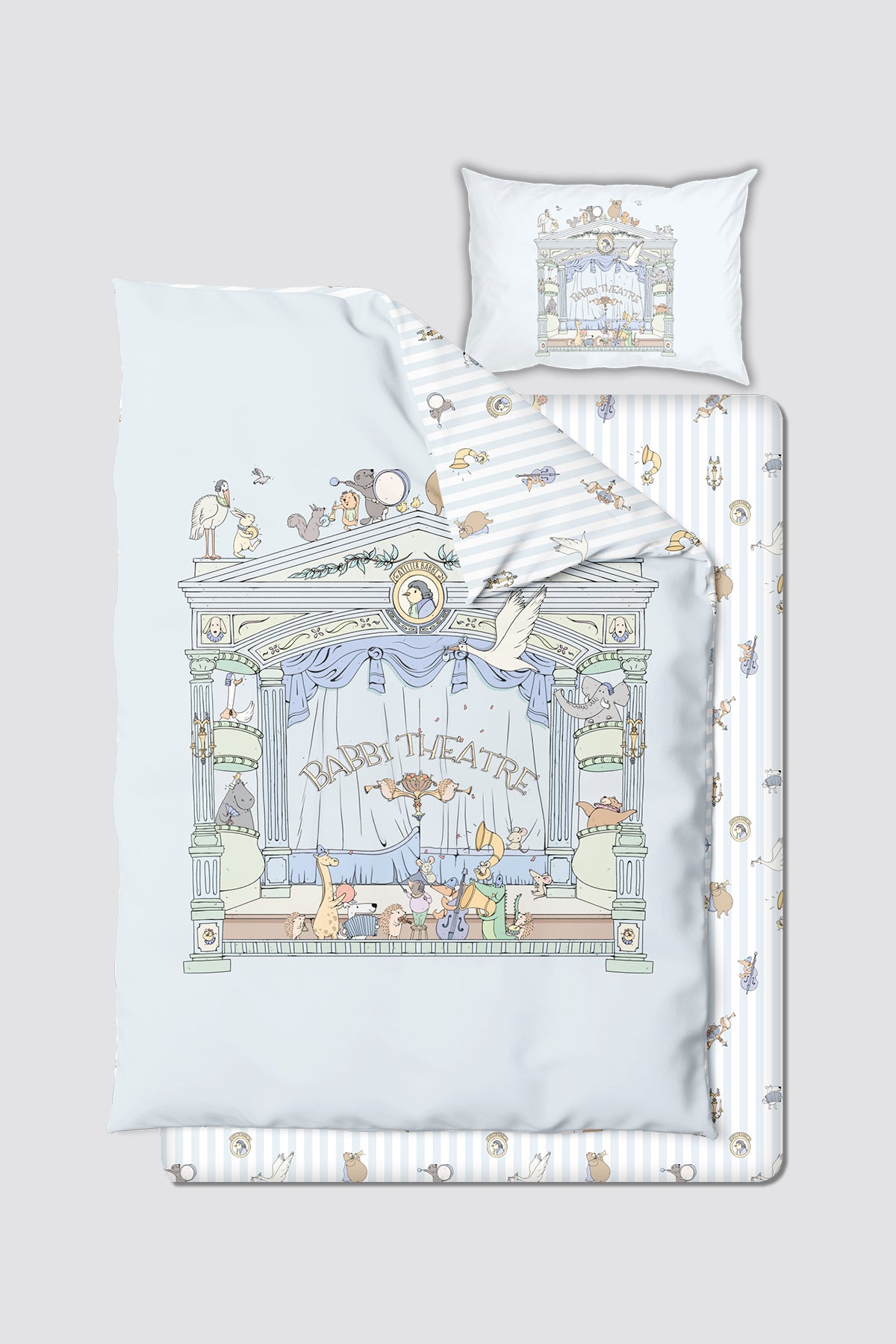
A safe sleep space belongs near the top of any Newborn essentials list. Use a crib, bassinet, portable crib, or play yard that meets current safety requirements, with a firm, flat mattress and a fitted sheet. Loose blankets, pillows, bumpers, positioners, stuffed toys, and other soft items should stay out of an infant's sleep area. Swaddles or wearable sleep products should follow age, developmental stage, and product instructions. Nursery preparation can stay simple. Two or three fitted sheets, practical storage, low lighting, and space for clean clothing are enough for a functional start.
Travel Gear and Diaper Bag Setup
A properly installed infant car seat is essential for car travel. A stroller or baby carrier can be selected around lifestyle, vehicle space, walking habits, and newborn compatibility. Always check manufacturer age and weight guidance. A diaper bag should carry diapers, wipes, cream, a portable changing mat, spare clothing, burp cloths, feeding items, and a wet bag. A compact Baby essentials list for outings keeps the bag manageable. Baby essentials for travel may include extra feeding supplies and clothing. Repack used items after each outing.
What Can Wait Until After Birth
Not every attractive product belongs on a first-day checklist. Bottle warmers, wipe warmers, large toy collections, several carriers, specialty organizers, and large quantities of one clothing size can wait until a real need appears. Newborn baby essentials are easier to manage when purchases stay flexible. Babies may prefer different bottles, pacifiers, or swaddles. Testing one option before buying multiples reduces waste. The same applies to clothing. Buy enough for laundry, then expand as growth and weather change. A newborn wardrobe does not need to predict several months in advance.
Where to Shop for Baby Essentials Without Overbuying
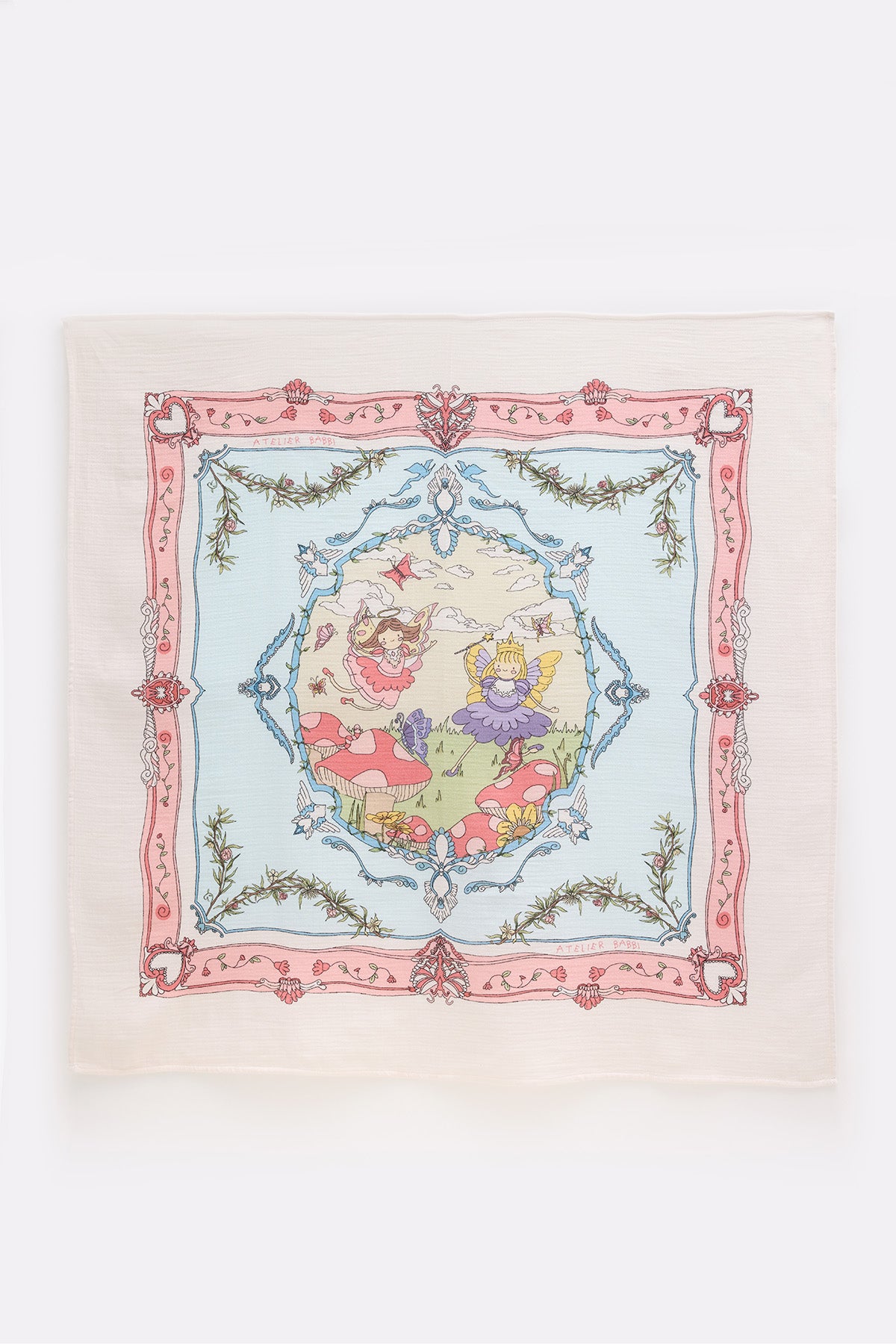
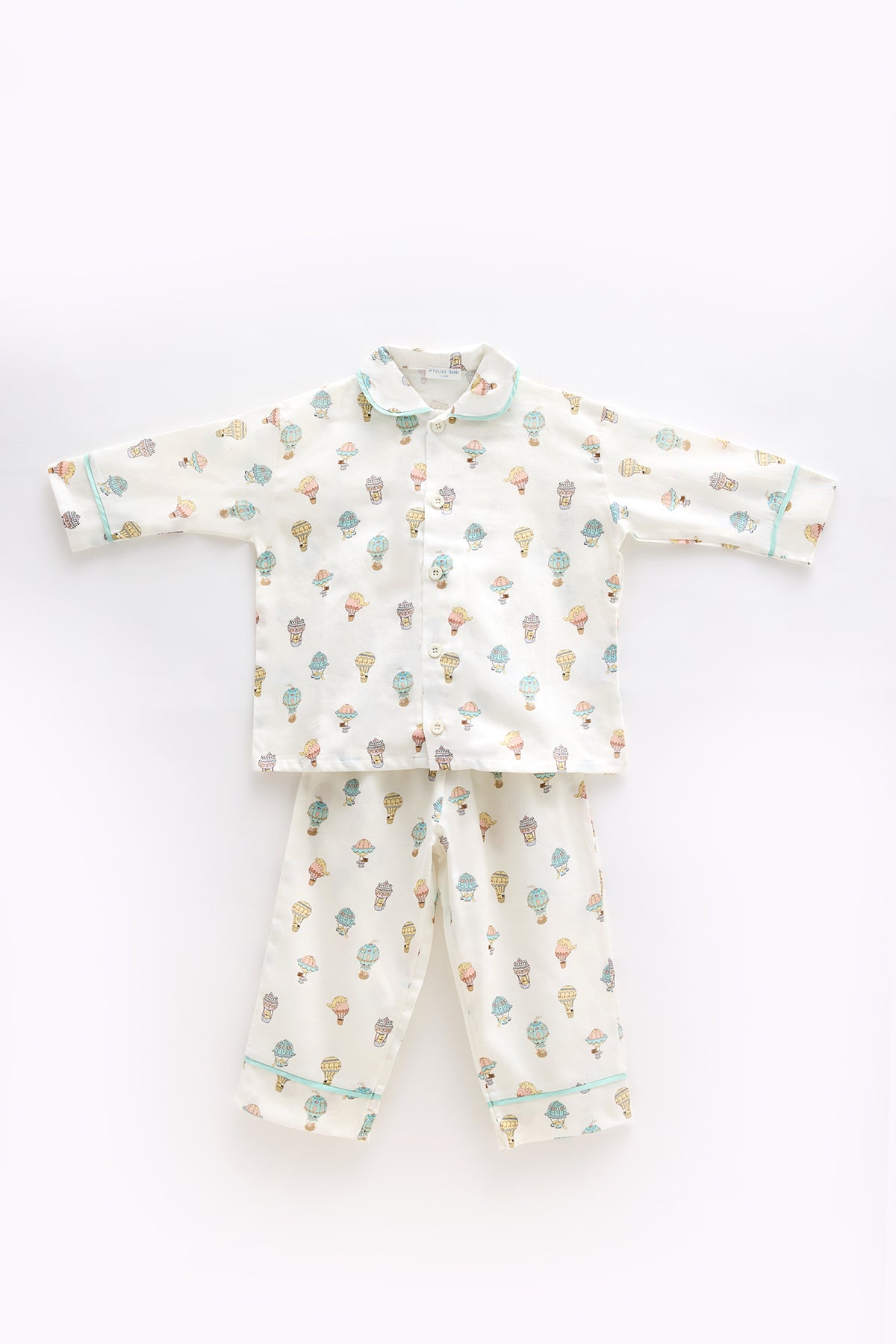
Where to shop for baby essentials depends on the product. Safety-critical gear is best bought from reputable retailers with clear specifications and reliable return policies. Clothing and textiles can be compared by fabric, sizing, washing instructions, and construction. Parents asking Where to shop for baby essentials can group purchases by routine instead of store. Atelier Babbi can cover cotton newborn clothing, muslin pieces, pyjama sets, care bags, and coordinated textiles. A final shopping check should include delivery timing, exchange terms, measurements, and whether the item is genuinely needed now. The most useful checklist remains flexible enough to change after the baby arrives.


